Adult and child over 5 years
|
Child under 5 years
|
|||
Step 1: occasional
relief broncodilator
Inhaled
short-acting beta2 agonist as required (up to once daily)
Note:Move to step 2 if needed more than twice a week, or if
night-time symptoms more than once a week, or if exacerbation in the last 2
years requiring systemic corticosteroid or nebulised bronchodilator.
|
Step 1: occasional relief bronchodilator
Short-acting beta2 agonist as required (not
more than once daily)
Note
Preferably by inhalation (less effective and more
side-effects when given by mouth)
Move to step 2 if needed more than twice a week, or if
night-time symptoms more than once a week, or if exacerbation in the last 2
years
|
|||
|
Step 2: regular preventer therapy
Inhaled short-acting beta2 agonist as
required
plus
Either regular standard-dose inhaled corticosteroid
Or (if inhaled corticosteroid cannot be used) leukotriene receptor antagonist |
|||
Step 3: inhaled
corticosteroid + long-acting inhaled beta2 agonist
Inhaled short-acting beta2 agonist as required
plus
Regular standard-dose inhaled corticosteroid
plus
Regular inhaled long-acting beta2 agonist
(salmeterol or formoterol)
If asthma not controlled
Increase dose of inhaled corticosteroid to upper end of standard dose range
and
Either stop long-acting beta2 agonist if of no
benefit
Or continue long-acting beta2 agonist if of some benefit
If asthma still not controlled and long-acting beta2
agonist stopped, add one of
|
|
|||
|
||||
Step 4: high-dose inhaled corticosteroid + regular bronchodilators
Inhaled
short-acting beta2 agonist as required
with
Regular
high-dose inhaled corticosteroid
plus
Inhaled
long-acting beta2 agonist
plus
In
adults 6-week sequential therapeutic trial of one or more of
·
Leukotriene
receptor antagonist
·
Modified-release
oral theophylline
·
Modified-release
oral beta2 agonist
Step 5: regular corticosteroid tablets
Inhaled short-acting beta2 agonist as required
with
Regular high-dose inhaled corticosteroid
and
One or more long-acting bronchodilators (see step 4)
plus
Regular prednisolone tablets (as single
daily dose)
Note:In addition to regular prednisolone, continue high-dose
inhaled corticosteroid (in exceptional cases may exceed licensed doses);
these patients should normally be referred to an asthma clinic.
|
Standard-dose inhaled
corticosteroids (given through a metered-dose inhaler and in children a
large-volume spacer):
Beclometasone
dipropionate or budesonide 100–400 micrograms twice
daily; child under 12 years 100–200 micrograms twice daily
Fluticasone
propionate 50–200 micrograms twice
daily; child 4–12 years 50–100 micrograms twice daily
Mometasone
furoate (given through a dry-powder
inhaler) 200 micrograms twice daily, Alternatives to inhaled
corticosteroid are leukotriene receptor antagonists, theophylline, inhaled
cromoglicate, or inhaled nedocromil. High-dose inhaled corticosteroids (given
through a metered-dose inhaler and a large-volume spacer):
Beclometasone
dipropionate or budesonide
0.4–1 mg twice daily; child 5–12 years 200–400 micrograms twice
daily
Fluticasone
propionate 200–500 micrograms twice
daily; child 5–12 years 100–200 micrograms twice daily.
Mometasone
furoate (given through a dry powder
inhaler) 200–400 micrograms twice daily.
Note. Doses of inhaled corticosteroids here are for
CFC-containing metered-dose inhalers; dose adjustments may be required for
other inhaler devices.
Failure to achieve control with
these doses is unusual.Lung-function measurements cannot be used to guide
management in those under 5 years
|
Friday, August 8, 2014
Management of chronic asthma in childrens

Monday, October 31, 2011
Health and computers
 Computer has revolutionized the human’s life and they are used as bio part of the body i.e to control and synchronize body part and their movements through thoughts.
Scientist has discovered a new technique that use a skullcap fitted with sensors that recognized the brain commands and send them through computers to the machines, this technique is further refined by the scientist of Maryland that allow the person to allow the 3D movements of hands, arms, knees and hip joints to be produced.
Thursday, July 28, 2011
Sweating and weight loss

It is actually the water that you are losing through perspiration, but remember that your body in healthy state is very good at balancing the amount of water you hold.
When you sweat, you lose a lot of water in the form of perspiration, next time you drink water to compensate this lost water. so the water lost through sweating is recovered.
This is not to say that you should not sweat if you are sweating it means that you are exercising, and if you are exercising it means that you are burning calories, and this burning of calories unlike sweating would cause permanent weight loss.
Tuesday, July 26, 2011
Coffee and blood pressure
 Many of us would be unaware of the effect that coffee may be dangerous in hypertensive people. It is fact that coffee can increase your systolic and diastolic blood pressure even if you don't have high blood pressure. Actually coffee contains caffeine that is the main constituent that increase the blood pressure.
Mechanism:
there are many possible mechanisms for this increase in blood pressure, one is that caffeine block the hormone that keeps your arteries dilated.Other thinks that is causes release of epinephrine and nor epinephrine from adrenal glands that cause elevation in blood pressure.
Monday, July 25, 2011
Treatment of gout
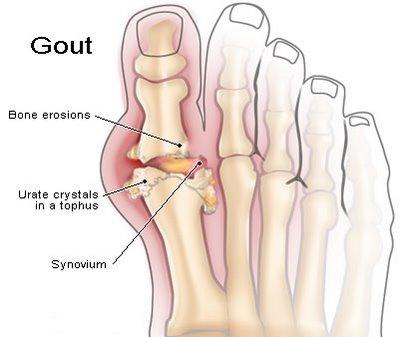
Treatment of Gout
- Drug mostly Used are:
1. NSAIDs (Asprin should be avoided as it can increase plasma urate at some conc.)
2. Colchicine
3. Allopurinol
4. Uricosuric Agents
For Acute inflamation
1. Indomethacin
2. Colchicine
3. Cortiosteroid for resistant episodes of gouts
Prophylactic Treatment
1. Allopurinol
2. Uricosuric Agents
Colchicine
Colchicine is an anti-inflamatory drug without anelgesic properties.
Prescription symbol

"The symbol "Rx" meaning "prescription" is a transliteration of a symbol resembling a capital R with a cross on the diagonal. |
NATIONAL ESSENTIAL DRUGS LIST OF PAKISTAN
 i
iNATIONAL ESSENTIAL DRUGS LIST OF PAKISTAN
Ministry of Health
Government of Pakistan
Islamabad
2003
ii
NATIONAL
ESSENTIAL DRUGS
LIST
iii
CONTENTS
PREFACE…………………………………….……………… vii
NATIONAL ESSENTIAL DRUGS LIST
THIRD REVISION
Subscribe to:
Posts (Atom)